Eddie Howe believes that ‘a lot of people’ want Newcastle to fail and has urged his players to ’embrace’ any criticism that comes their way.
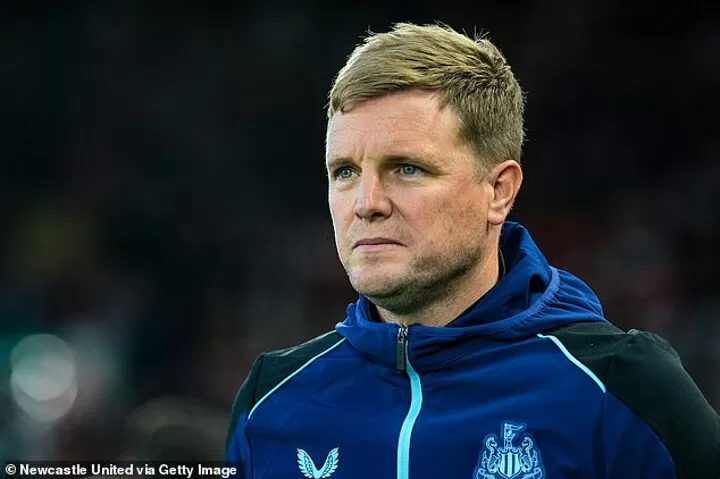
The Magpies boss will celebrate a year in charge at St. James’ Park in November, with his appointment being one of the Saudi-backed ownership’s first acts at the helm after buying the club from Mike Ashley.
Significant concerns have been raised about Newcastle’s links to the Saudi state, which has an appalling humans right record – including the 2018 murder of journalist Jamal Khashoggi by Saudi agents and homosexuality being illegal.
However, Howe wants his team to relish any hate they receive from opposition fans, journalists and pundits.
‘[I want] that feeling of us against everyone else,’ he told The Athletic. ‘I’m trying to create that internally, but I don’t think we’re having to force it. It’s something we can feel in Newcastle.
‘There are a lot of people who want to knock us and criticise us and probably don’t want us to be successful. We’ve got to embrace that.’
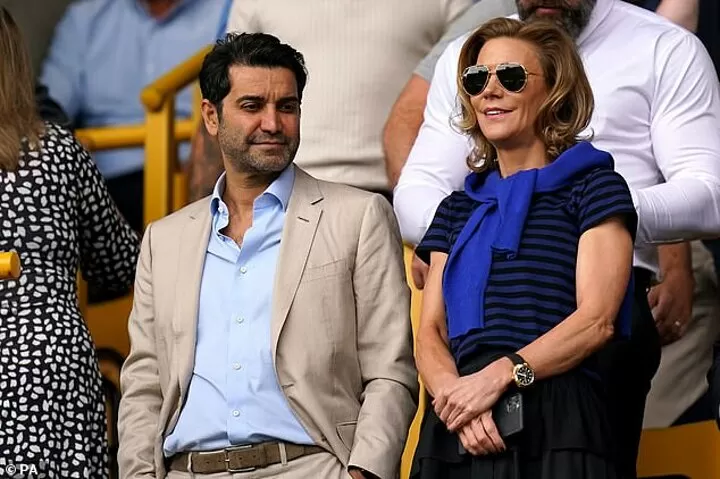
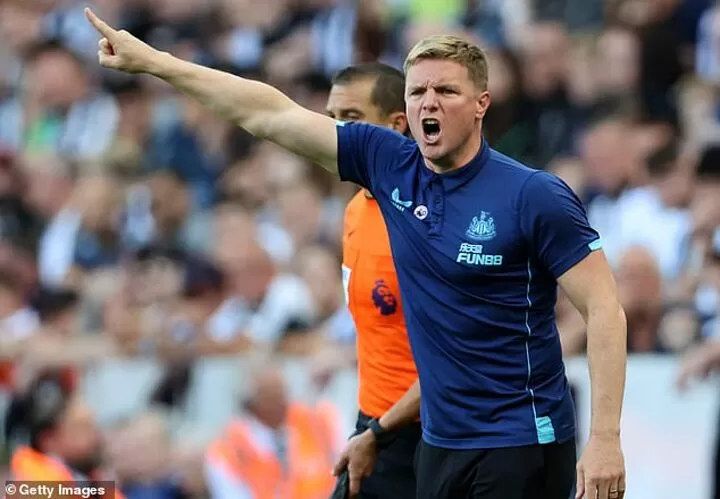
Newcastle have won just one of their opening six Premier League games of the season but have drawn four and currently sit 11th in the table.
The club’s owners want to take them back into the Champions League and Howe also has high ambitions for the future.
The 44-year-old told The Athletic that he wants his team to be playing like Manchester City and Liverpool ‘in one or two years’.
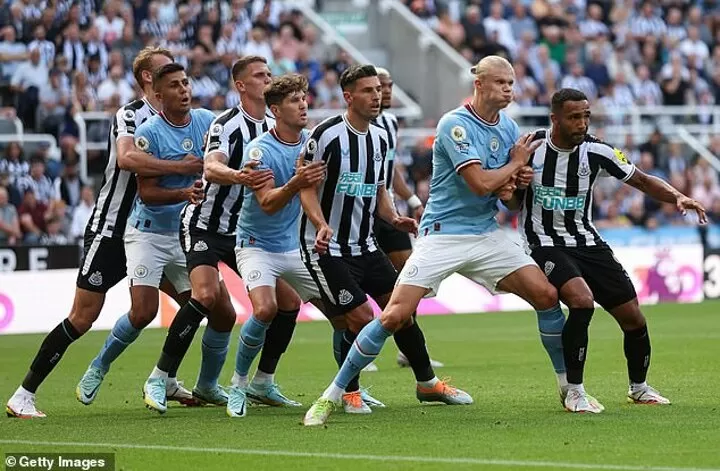
Howe said: ‘If you look at our points tally last season, it ended up OK from where we were, but our general performance-markers and the key stats you look at — possession, shots, shots conceded — were quite low.
‘We won a lot of games towards the end, but we weren’t the dominant team a lot of the time. I don’t think you can sustain that. If that’s your style then eventually you’ll stop winning and you’ve got a big problem. So we’re trying to change.
‘It’s got to be gradual, but we’re trying to implement a style where we’re progressive and dominant and going home and away to attack the game. That’s going to be my biggest marker in terms of how we improve rather than points.’